

How to Sell Land Without a Realtor in Wisconsin
If you need to close on a property without a realtor in Wisconsin, start with the property facts: county, parcel number, acreage, access, zoning, utilities, taxes, ownership, and any known restrictions. Those details shape pricing, timing, and the sale options available to you.
To move property without a realtor in Wisconsin, you need a workable process for pricing, marketing, contracts, and closing. Selling land without a realtor can save the commission, but it also means the owner handles the hard parts that a realtor would usually manage.
A land sale without a realtor is possible when the seller understands buyer expectations, pricing logic, and how to move the file to closing. The main question is whether you want to manage the work yourself or compare that route with a direct buyer.
Why Owners Consider Selling Land Without a Realtor
Selling Wisconsin land without a realtor is legal and often cost-effective. You skip the 6-10% commission but take on pricing, marketing, buyer qualification, purchase-agreement drafting, and closing coordination. For a clean parcel with clear title and obvious buyer demand, the savings are real. For complicated files - multiple heirs, easement disputes, back taxes, unusual access - the realtor commission can be money well spent.
The most common FSBO mistakes are mispricing (anchoring on neighbor's asking price instead of actual closed sales), weak marketing photos, and using a generic online purchase-agreement template that misses Wisconsin-specific disclosures. A few hours with a Wisconsin real estate attorney drafting the purchase agreement and closing checklist costs far less than a commission and prevents the deal from falling apart at the closing table.
Sell Land Without a Realtor vs. Work With a Direct Buyer
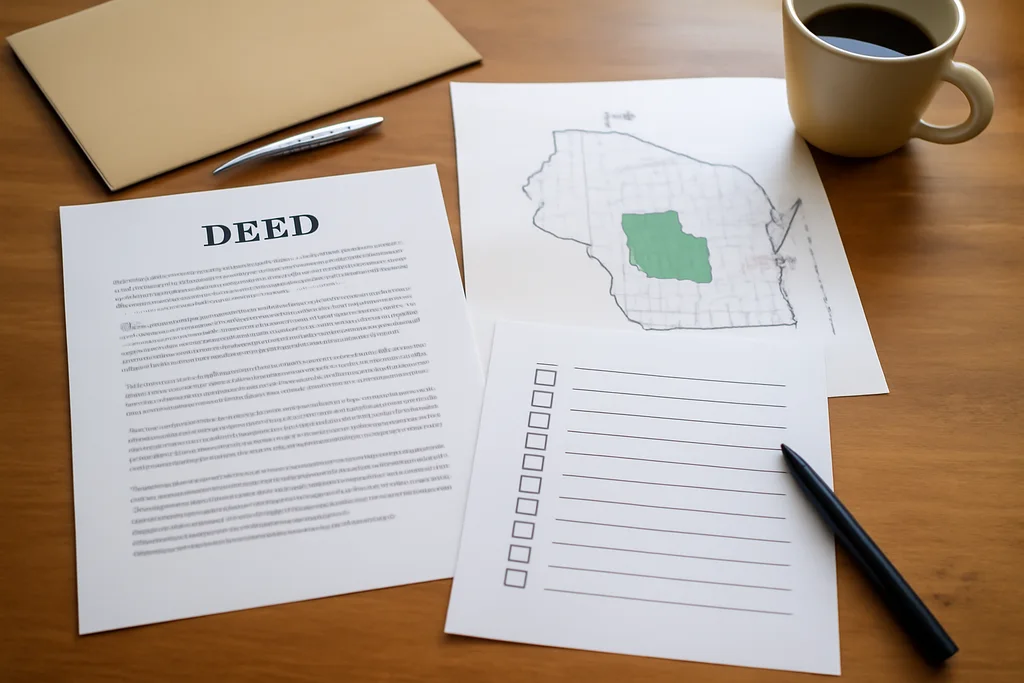
FSBO, flat-fee MLS, and direct cash buyer are the three no-agent paths. Pure FSBO means you handle pricing, marketing, showings, negotiations, and the purchase agreement - maximum savings but maximum time investment. Flat-fee MLS ($300-600) gets your listing on the MLS without a listing agent commission; the buyer's agent still typically expects 2.5-3%. A direct cash buyer cuts both agents out entirely.
Pick based on your parcel. A clean, high-demand residential lot sells well FSBO because it photographs easily and attracts self-directed buyers. A rough rural parcel with access or title questions often languishes FSBO because the average buyer doesn't want to troubleshoot complications. Direct buyers are paid to work through complicated files, which is why their offers are lower but their close rates are much higher.
Pricing Your Listing and Attracting Serious Sellers
FSBO savings are real but only if you actually close. A 6% commission on a $60,000 lot is $3,600. A Wisconsin real estate attorney reviewing your purchase agreement and handling closing coordination runs $500-1,500 - so net FSBO savings are typically $2,000-3,000. Factor in your time and potentially a flat-fee MLS listing and the math is closer to $1,500-2,500 saved.
Where FSBO fails is pricing and paperwork. A generic online purchase-agreement template might miss Wisconsin-specific disclosure requirements, transfer-tax handling, or contingency language that protects the seller. Spending 30 minutes and $200 with a real estate attorney to review the agreement is the highest-ROI step in any FSBO transaction.
How Pricing and Buyer Screening Work Without a Realtor
When you finalize a sale without a realtor, pricing becomes one of the biggest jobs on the file. Owners selling land without a realtor need a pricing approach that matches the market value, the lot condition, and the kind of buyer most likely to close. A land appraiser, recent land listings, and the value of your land in its current condition all help shape the right sale price.
Buyer screening also matters more without a realtor. A land sale without a realtor can attract many inquiries, but the seller still has to identify which buyer is credible, which potential buyers need financing, and whether an investor, land buyer, or real estate attorney should be brought in early. Good marketing land decisions help attract potential buyers instead of low-quality inquiries.
That is why many owners compare selling land without a realtor with a direct buyer. Both paths avoid a full realtor listing, but one route asks you to list your land, manage a sale by owner process, handle legal documents, track property taxes, and work with a real estate closing team upfront while the other simplifies the sale around a direct offer.
What You Take On When You Sell Without a Realtor
Selling land without a realtor saves the commission, but it shifts the work to the owner. The seller becomes responsible for pricing logic, listing quality, inquiry handling, contract negotiation, title coordination, and buyer follow-up. That can be manageable on a straightforward lot, but it becomes harder when the property has quirks or the seller is out of state.
The bigger risk is not simply doing more work. The bigger risk is making avoidable mistakes because raw land buyers ask different questions than home buyers. Access, soil, zoning, frontage, survey history, and use restrictions matter more, and many buyers will walk away quickly if those answers are vague.
How Owners Usually Decide Between FSBO and a Direct Buyer
Owners usually keep the sale in-house when they have time, know the property well, and believe the piece can attract multiple serious buyers. They usually lean toward a direct buyer when the property is inherited, remote, hard to access, or expensive to hold while waiting for the right buyer.
That decision often comes down to how much uncertainty the seller wants to tolerate. If your priority is reducing moving parts, a direct buyer may be the better fit even if you would test the open market under different circumstances.
How Wisconsin Sellers Compare Their Options
Many Wisconsin owners start by comparing the same three paths: list the land, market it themselves, or work directly with a cash buyer. That comparison should include more than headline price. Sellers should look at how many people need to approve the deal, how quickly the property needs to close, how much cleanup or marketing work they want to handle, and whether they are comfortable waiting for a financed buyer.
A direct buyer is not always the highest-price path, but it can be the simplest path when the property has title issues, back taxes, difficult access, family complications, or a narrow buyer pool. On the other hand, a clean and highly marketable tract may justify more exposure if your main goal is maximizing price and you have time to wait.
Questions to Ask Before You Move Forward
Before signing anything, ask who is paying closing costs, whether the buyer can close without financing, what title issues have already been identified, and how long the offer remains open. If the property is inherited, owned by an LLC, or affected by unpaid taxes, those details should be raised early instead of being left for the closing table.
It is also worth asking what happens if the title search finds old liens, missing probate documents, or ownership gaps. A serious buyer or title company should be able to explain the next step clearly. When no one can explain the process, that usually means the deal is not as solid as it first appears.
How Title Work and Closing Usually Unfold
Once seller and buyer agree on terms, the file still needs title work, payoff review, deed preparation, and final coordination before money changes hands. That process is where many owners first see whether the deal is truly ready to close or whether hidden problems still need to be solved.
A good closing process gives the seller a clear sequence: open title, review exceptions, confirm payoff items, sign final documents, and record the deed. Even when the transaction is simple, treating the title phase seriously is what keeps a fast sale from turning into a messy one.
Steps to Sell Wisconsin Land
- Gather piece details. Find the county record, parcel number, tax status, deed, and any maps or surveys you already have.
- Decide your preferred sale path. Choose whether you want to list, sell by owner, or ask for a direct cash offer.
- Review written terms. Look at price, closing costs, timeline, contingencies, and who pays title expenses.
- Close with proper paperwork. Use a title company or qualified closing professional so the deed and funds are handled correctly.
Common Questions
What changes when you sell land without a realtor?
You handle pricing, buyer screening, negotiation, contracts, and closing coordination yourself unless you work directly with a buyer who simplifies those steps.
Do I need a realtor to sell Wisconsin land?
No. You can close on a property yourself or work directly with a cash buyer. A realtor may help with marketing, but commissions and timeline should be part of the comparison.
How long does a Wisconsin land sale take?
A simple cash sale can close quickly after title is clear. Probate issues, liens, access problems, or ownership questions can add time.
What documents are usually needed to sell land in Wisconsin?
Most sales need a purchase agreement, deed preparation, identification, tax information, and any paperwork proving authority to sign.
Get a Cash Offer for Wisconsin Land
Sell Wisconsin Land buys vacant lots, inherited land, rural acreage, wooded lots, and unwanted Wisconsin property directly from owners. Share the ground details, review a no-obligation offer, and decide whether a direct sale works for you.
Sell Your Wisconsin Land for Cash
We buy land in every Wisconsin county with no fees, no commissions, and closings in as little as 2 weeks. Start with a free cash offer.
Ready to compare a direct cash offer? We buy land directly from owners for cash with no fees, no commissions, and no listing delays.